Mold and bacteria can pose serious risks to commercial refrigeration units, leading to contamination, foul odors, and potential health hazards. Preventing mold in refrigeration units and stopping bacteria growth is crucial for food safety, hygiene, and equipment longevity. This article outlines the best practices for refrigeration hygiene, cleaning tips for commercial refrigerators, and the role of HVAC ventilation in preventing mold and bacterial contamination.
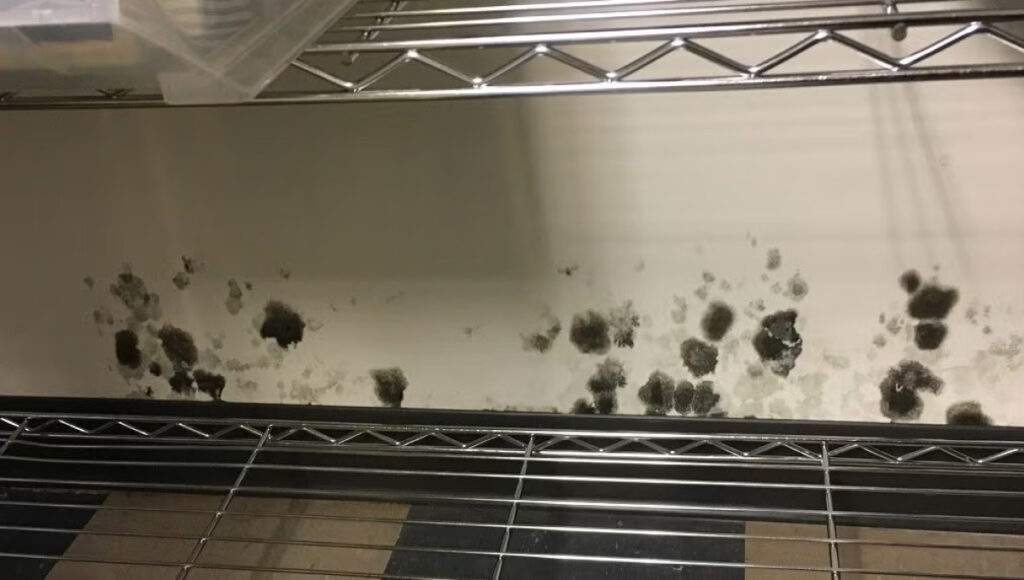
Why Mold and Bacteria Grow in Refrigeration Units
Refrigerators provide the perfect environment for mold and bacteria growth—moisture, food particles, and fluctuating temperatures can create breeding grounds for these contaminants.
Common Causes:
- Excess Moisture: Condensation buildup can promote mold growth.
- Poor Ventilation: Limited airflow leads to stagnant conditions.
- Improper Cleaning: Failing to sanitize refrigeration units properly encourages bacterial spread.
- Temperature Fluctuations: Inconsistent cooling can lead to increased microbial activity.
Best Practices for Refrigeration Hygiene
To maintain food safety and prevent bacterial contamination in fridges, businesses should follow strict hygiene protocols.
1. Regular Cleaning Schedule
A consistent cleaning schedule helps eliminate food debris and moisture buildup, reducing the risk of mold growth.
Cleaning Tips for Commercial Refrigerators:
- Wipe down shelves, drawers, and walls weekly.
- Use a mixture of warm water and mild detergent.
- Avoid bleach, which can damage surfaces and leave residue.
- Sanitize refrigeration units properly with food-safe disinfectants.
2. Refrigerator Moisture Control for Mold Prevention
Excess moisture creates an ideal environment for mold. Controlling humidity inside refrigeration units is essential.
Moisture Control Strategies:
- Ensure door seals are intact and functioning properly.
- Regularly empty and clean drip pans.
- Use a dehumidifier if necessary to reduce humidity levels.
Safe Food Storage to Prevent Bacteria Growth
Proper food storage minimizes bacterial contamination and extends product shelf life.
Storage Guidelines:
- Keep raw and cooked foods separate to avoid cross-contamination.
- Store perishable items at appropriate temperatures.
- Avoid overcrowding, which can restrict airflow and create warm spots.
- Regularly check expiration dates and discard expired products.
HVAC Ventilation Impact on Refrigeration Hygiene
The role of HVAC ventilation in preventing mold cannot be overstated. Poor airflow contributes to temperature inconsistencies and excess moisture, creating conditions for bacterial growth.
Ways to Improve Ventilation:
- Install proper exhaust fans to regulate air circulation.
- Ensure air filters are cleaned and replaced regularly.
- Position refrigeration units away from heat sources to maintain consistent temperatures.
Prevent Bacterial Contamination in Fridges
Bacteria thrive in environments with excess moisture and unclean surfaces. Preventing bacterial contamination requires proper sanitation techniques.
Sanitization Best Practices:
- Use food-safe sanitizers after cleaning.
- Disinfect high-touch areas such as handles and drawers.
- Implement a strict cleaning routine for staff members.
- Regularly inspect units for potential contamination risks.
For a comprehensive checklist, visit our guide on commercial refrigeration maintenance.
Mold Prevention in Commercial Refrigerators
Mold growth can lead to spoiled food, unpleasant odors, and potential health hazards. Preventing mold in refrigeration units requires consistent efforts.
Mold Prevention Techniques:
- Maintain dry surfaces by wiping up spills immediately.
- Keep doors closed as much as possible to prevent warm air from entering.
- Schedule deep cleaning sessions every three months.
- Use baking soda or activated charcoal to absorb odors and moisture.
For more mold prevention strategies, read about preventative commercial refrigerator maintenance.
How to Stop Bacteria Growth in Refrigerators
Stopping bacteria growth in refrigerators requires a combination of proper temperature control, cleaning, and sanitization.
Steps to Reduce Bacteria Growth:
- Maintain Proper Temperature: Ensure refrigerators operate at below 40°F (4°C) to slow bacterial growth.
- Use Airtight Containers: Store food in sealed containers to limit exposure.
- Check Expiration Dates: Discard expired or spoiled items promptly.
- Clean Spills Immediately: Prevent bacterial contamination by wiping spills as soon as they occur.
For early signs of refrigeration issues, read our article on top signs your commercial refrigerator needs servicing.
Commercial Refrigeration Maintenance for Hygiene
Routine maintenance helps keep refrigeration units clean and mold-free, preventing unexpected breakdowns and health hazards.
Essential Maintenance Practices:
- Inspect door seals and replace if necessary.
- Check temperature settings regularly.
- Clean condenser coils to improve energy efficiency.
- Perform routine defrosting to prevent ice buildup.
For insights on scheduling maintenance, check out how often commercial refrigeration units should be serviced.
When to Seek Professional Help
If refrigeration units show persistent mold or bacterial growth despite regular cleaning, professional intervention may be necessary.
Signs You Need Professional Service:
- Persistent odors despite deep cleaning.
- Visible mold growth inside cooling compartments.
- Temperature fluctuations affecting food quality.
- Water leakage contributing to moisture problems.
For commercial refrigeration troubleshooting and repairs, consult our experts at commercial refrigeration specialists.
Conclusion
Preventing mold in refrigeration units and stopping bacterial growth requires a combination of proper cleaning, maintenance, and storage techniques. Implementing best practices for refrigeration hygiene ensures food safety, improves efficiency, and extends equipment lifespan.By following these guidelines and scheduling regular maintenance, businesses can keep refrigeration units clean and mold-free. For more expert advice, explore our detailed resources on upgrade vs. repair refrigeration equipment.
Why do mold and bacteria tend to grow in refrigeration units?
Mold and bacteria grow in refrigeration units because these environments provide the moisture, food particles, and fluctuating temperatures that create ideal breeding conditions for these contaminants.
- Why Mold and Bacteria Grow in Refrigeration Units: Refrigerators provide ideal conditions for mold and bacteria due to moisture, food particles, and fluctuating temperatures.
- Best Practices for Refrigeration Hygiene: Maintaining cleanliness, controlling moisture, proper food storage, and good ventilation are essential for preventing contamination.
- Controlling Moisture to Prevent Mold: Ensure tight door seals, clean drip pans regularly, and use dehumidifiers to reduce humidity inside refrigerators.
- Stopping Bacterial Growth in Refrigerators: Maintain temperatures below 40°F, store food in airtight containers, and promptly clean spills and discard expired items.
- When to Seek Professional Help: Persistent odors, visible mold, temperature issues, or leaks indicate a need for expert diagnosis and repair.
What are the essential best practices to prevent mold and bacteria in commercial refrigerators?
Maintaining cleanliness through regular cleaning, controlling moisture levels, proper food storage, and ensuring good HVAC ventilation are key practices to prevent mold and bacteria growth in commercial refrigerators.
How can I effectively control moisture in a refrigeration unit to prevent mold?
To control moisture, ensure door seals are tight, regularly clean and empty drip pans, and use dehumidifiers if necessary to reduce humidity levels inside the refrigeration unit.
What steps should be followed to stop bacteria from growing in a refrigerator?
Bacteria can be controlled by maintaining proper temperature below 40°F (4°C), storing food in airtight containers, checking and discarding expired items, and cleaning up spills immediately.
When should a business seek professional help for mold or bacteria issues in refrigeration units?
Professional help is needed if persistent odors remain despite cleaning, visible mold appears inside, temperature fluctuations occur, or water leakage is present, indicating possible underlying problems that require expert diagnosis and repair.