The energy landscape in 2026 is one where smart home technology continues to shine as a beacon of efficiency and cost savings. Among these technologies, programmable thermostats are a standout, offering households a significant reduction in energy bills while improving comfort and convenience. This article explores the savings with programmable thermostat 2026 and highlights the benefits of making this eco-friendly investment.
How Programmable Thermostats Save Money
A programmable thermostat energy savings is primarily achieved by aligning heating and cooling schedules with your daily routine. By reducing energy use during times when you’re away or asleep, these devices can lower your energy bills significantly.
Average Cost Savings
On average, homeowners can save between 10% and 15% on heating and cooling costs by using a programmable thermostat. This translates to hundreds of dollars annually, depending on factors like the size of your home, HVAC system efficiency, and local energy prices.
- Heating Savings: During colder months, setting your thermostat to lower temperatures when you’re away can drastically reduce heating costs.
- Cooling Savings: Similarly, raising the temperature in summer when no one is home can cut cooling costs.
The Importance of Proper Programming
The benefits of installing a programmable thermostat are closely tied to how well it is programmed to suit your lifestyle. Misuse or neglect of these settings can diminish the potential savings.
Optimizing the Thermostat Schedule
- Away Periods: Set the temperature lower in winter or higher in summer when you’re not home.
- Sleep Hours: Adjust the thermostat to maintain energy-efficient settings overnight.
- Smart Adjustments: Many thermostats now feature learning capabilities, optimizing schedules based on your usage patterns.
Regularly revisiting and fine-tuning these settings ensures that you continue to enjoy savings as your habits change.
The Evolution of Smart Thermostats
In 2026, programmable thermostats have evolved into fully integrated smart devices. These upgrades have taken energy savings and user convenience to new heights.
Features Enhancing Savings and Comfort
- Energy Efficiency: Smart thermostats adjust based on your habits and external weather conditions, maximizing efficiency.
- Remote Access: With smartphone integration, you can monitor and control your thermostat from anywhere, ensuring no energy is wasted.
- Automated Scheduling: These devices can create and adapt schedules automatically, reducing the need for manual adjustments.
- Detailed Energy Reports: Smart thermostats provide insights into your energy use, identifying inefficiencies and suggesting improvements.
- Indoor Air Quality Monitoring: Some models, like the Honeywell Home Wi-Fi 7-Day Programmable Thermostat, also optimize humidity and air quality for better health.
Examples of Cost Savings
The cost savings with smart thermostat technology are becoming more accessible with a variety of models and price points.
Example Devices:
- Honeywell Home Wi-Fi 7-Day Programmable Thermostat: Known for its ease of use and compatibility with smart home systems.
- Honeywell 5-2 Day Programmable Thermostat: Perfect for creating separate schedules for weekdays and weekends.
These models provide flexibility and adaptability, ensuring you maximize your savings while maintaining comfort.
Environmental Impact of Programmable Thermostats
Beyond financial benefits, the environmental impact of combustion is a key consideration in 2025. Reducing energy consumption with smart thermostats directly lowers greenhouse gas emissions.
Supporting Sustainability Goals
- Lower Energy Demand: Decreasing the need for constant HVAC operation reduces the strain on energy grids.
- Smaller Carbon Footprint: Efficient energy use contributes to overall sustainability efforts, aligning with global eco-friendly initiatives.
The ROI of Installing a Programmable Thermostat
The programmable thermostat ROI is not just about the immediate savings. It also includes long-term benefits like reduced wear on HVAC systems, increased property value, and enhanced user convenience.
Key Factors:
- Upfront Costs: While smart thermostats have a higher initial cost than traditional ones, the energy savings quickly offset this investment.
- Durability: High-quality programmable thermostats are built to last, making them a reliable upgrade for any home.
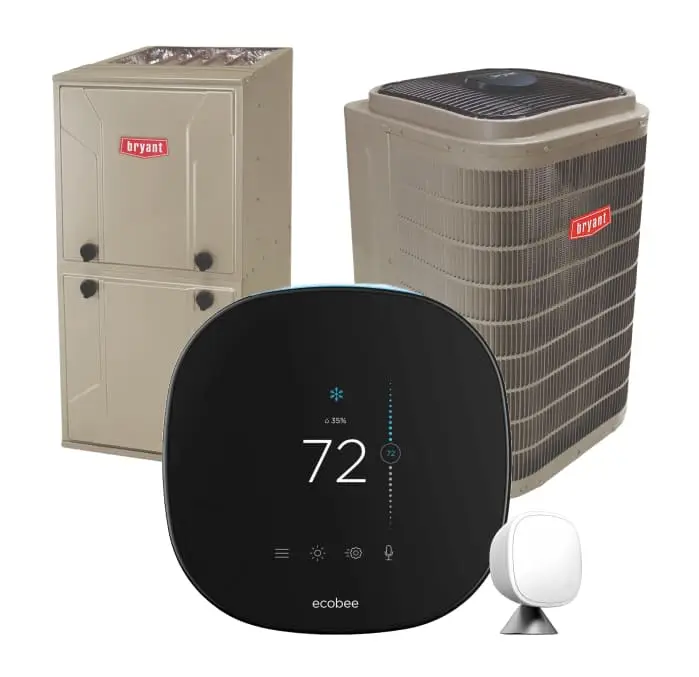
How an Ecobee Smart Thermostat Can Boost Your HVAC Savings
If you’re looking to cut energy costs without sacrificing comfort, the Ecobee smart thermostat is one of the smartest upgrades you can make. With intelligent scheduling, occupancy sensors, and weather-aware adjustments, Ecobee helps your HVAC system run more efficiently—reducing energy waste and lowering monthly utility bills. Its remote room sensors also help balance temperatures throughout your home, so your system only works when and where it’s needed.
As an authorized Ecobee dealer, Four Elements Service offers the best pricing on the full line of Ecobee smart thermostats, along with a 5-year warranty for added peace of mind. Whether you’re looking to improve comfort, increase energy savings, or upgrade to a more reliable control system, we provide professional installation and support to ensure you get the most from your investment.
Additional Resources for Homeowners
If you’re considering installing a programmable thermostat, don’t forget to keep your HVAC system in top shape. Check out these resources for more tips:
- Furnace is Not Blowing Hot Air: Troubleshoot common heating issues to maintain efficiency.
- Clean a Furnace Flame Sensor: Learn how regular maintenance can improve HVAC performance.
Conclusion
The savings with programmable thermostat 2026 are undeniable. By investing in this technology, you can lower your energy bills, enhance your comfort, and contribute to a more sustainable future. With features like energy monitoring, remote access, and adaptive scheduling, modern programmable thermostats offer unmatched convenience and efficiency. Start enjoying the benefits today and secure long-term savings for your home.
How do programmable thermostats save money specifically in 2026?
Programmable thermostats save money by aligning heating and cooling schedules with your daily routine, reducing energy use during times when you are away or asleep, leading to lower energy bills.
What is the average cost saving when using a programmable thermostat?
On average, homeowners can save between 10% and 15% on heating and cooling costs annually by using a programmable thermostat, which can amount to hundreds of dollars depending on various factors.
Why is proper programming of a thermostat important?
Proper programming maximizes savings by ensuring heating and cooling are adjusted to your lifestyle, whereas misusing or neglecting settings can reduce the benefits and savings.
What features do smart thermostats in 2026 include to enhance savings and comfort?
Smart thermostats now include features such as adaptive energy efficiency based on habits and weather, remote access via smartphone, automated scheduling, energy usage reports, and air quality monitoring.
What are some effective ways to optimize your programmable thermostat schedule?
Set lower temperatures during away periods in winter or higher during summer when not home, adjust settings for sleep hours, and utilize learning capabilities of smart thermostats to automatically create and refine schedules.